 By Faith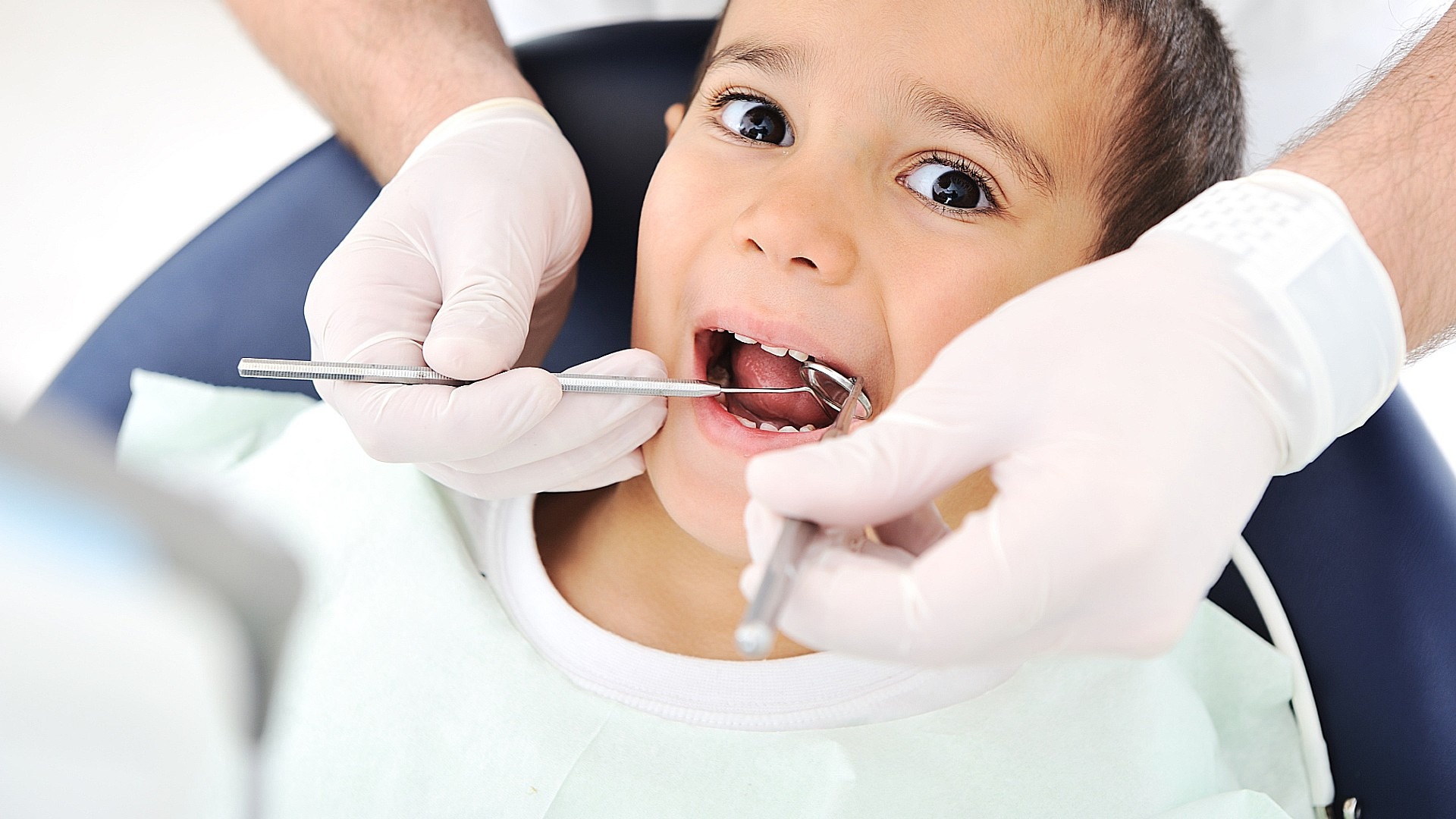
Children’s teeth are more than just temporary placeholders—they’re the foundation for a lifetime of healthy smiles. Proper care from an early age shapes habits, prevents issues, and supports overall growth. Pediatric dentistry focuses on more than treating cavities; it’s about prevention, guidance, and creating a positive experience that encourages lifelong oral health.
Why Early Dental Care Matters
A child’s first dental visit should ideally happen around their first birthday. Even with only a few teeth, a pediatric dentist can check for potential concerns like enamel weaknesses, early decay, or unusual growth patterns. These early visits are mostly preventive, helping parents understand how to care for their child’s teeth and making the dental office a familiar, friendly place rather than a source of fear.
Starting dental care early sets children up for strong foundations for life-long oral health with children’s dentistry. It’s about building habits, not just treating problems. Children who develop comfort with dental visits early are more likely to continue regular checkups throughout their lives.
Preventive Habits for Healthy Smiles
Preventive care in pediatric dentistry focuses on daily routines, diet, and professional treatments. Brushing twice a day with the right amount of fluoride toothpaste, flossing under supervision, and limiting sugary foods and drinks all contribute to strong, healthy teeth. Parents play a key role—modeling good habits and gently supervising care ensures children understand the value of oral hygiene.
Nutrition is another critical factor. Healthy snacks, water instead of sugary drinks, and balanced meals help reduce the risk of cavities. Combining proper diet with consistent oral hygiene practices establishes habits children carry into adulthood.
Protective Dental Measures
Modern pediatric dentistry offers tools to protect young teeth. Dental sealants, thin coatings applied to the grooves of molars, shield teeth from decay in hard-to-clean areas. Fluoride treatments strengthen enamel, helping teeth resist acid and bacterial attacks. These preventive measures are simple, painless, and highly effective, especially when combined with proper at-home care.
Managing Anxiety and Encouraging Cooperation
Visiting the dentist can be intimidating for young children. Pediatric dentists are trained to create a positive, welcoming environment that reduces stress and encourages cooperation. Techniques such as “tell-show-do” help children understand procedures before they happen, while friendly staff and a playful setting make visits enjoyable. The goal is to nurture confidence, ensuring children associate dental care with safety and care rather than fear.
Monitoring Growth and Early Orthodontic Care
As children grow and permanent teeth start to appear, monitoring alignment, spacing, and jaw development becomes important. Pediatric dentists can identify early signs of overcrowding, bite issues, or jaw discrepancies. Early intervention, when necessary, simplifies treatment, reduces discomfort, and often prevents more complex orthodontic problems later. Addressing these issues during growth phases allows children to achieve better oral function and a balanced facial structure with less invasive measures.
Parents as Partners in Oral Health
Parents and caregivers are essential in shaping a child’s dental habits. Consistent supervision of brushing and flossing, regular dental visits, and guidance on diet help children develop a strong sense of responsibility for their own oral health. Positive reinforcement—praising children for following routines and making dental visits enjoyable—encourages lifelong healthy habits. Children also benefit when adults model proper oral care, making healthy routines a shared family value.
Establishing a Lifetime of Healthy Habits
Pediatric dentistry is about prevention, education, and building confidence. Early dental care, guided routines, and supportive visits create a strong base for oral health that extends well into adulthood. Children who grow up understanding the importance of dental care are less likely to experience cavities, gum disease, or orthodontic complications.
Investing in proper care during childhood gives children the best chance at healthy teeth and confident smiles. By nurturing good habits early, families set their children on a path to not just temporary, but lifelong oral wellness.
For more information on the importance of oral health in early childhood, exploring expert guidance can provide valuable insights into how early habits shape a child’s oral health for life.