 By Faith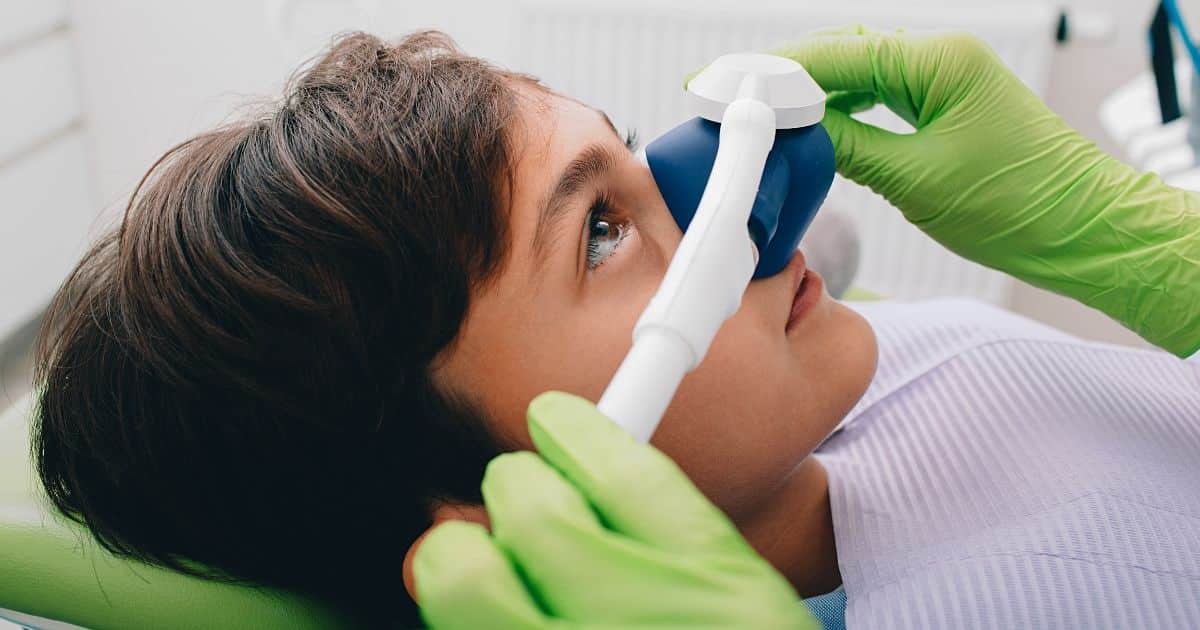
For many children, visiting the dentist can be a stressful experience. The unfamiliar environment, strange instruments, and the sounds of dental tools can trigger anxiety that affects not only their behavior in the clinic but also their attitude toward oral health in the long term. Dental anxiety in children is more common than many parents realize, and if left unaddressed, it can lead to avoidance of regular check-ups and potentially serious oral health issues. Understanding the sources of this fear and exploring effective solutions is essential for parents seeking to create positive dental experiences for their children.
Children’s anxiety often stems from a combination of natural fear of the unknown, past negative experiences, and sensitivity to pain or discomfort. Even routine procedures, such as cleanings or cavity fillings, can feel overwhelming to a young patient who is unfamiliar with dental care processes. This is where advanced techniques like sleep dentistry can make a significant difference. By helping children relax and remain comfortable during dental procedures, sleep dentistry directly addresses their fears, transforming potentially stressful appointments into calm and manageable experiences.
Experience true dental serenity with sleep dentistry by consulting a qualified pediatric dental professional and exploring the options that best suit your child’s needs. With advanced sedation techniques, a compassionate approach, and supportive home strategies, dental anxiety can be effectively managed, allowing children to enjoy stress-free visits while building a foundation for lifelong oral health.
Sleep dentistry, also known as sedation dentistry, uses safe and carefully monitored sedatives to help patients achieve a state of relaxation. Depending on the method chosen, children may remain conscious or lightly sedated, allowing dentists to perform necessary procedures without causing undue stress. The approach is highly customizable, with dosages and techniques tailored to the child’s age, weight, and anxiety level. Modern sedation methods are not only effective but also backed by stringent safety protocols, giving parents confidence in their child’s care.
The benefits of sleep dentistry extend beyond easing anxiety. Children who experience calm and positive dental visits are more likely to develop healthy oral hygiene habits and maintain regular check-ups into adulthood. A stress-free environment also enables dentists to work more efficiently, reducing procedure times and minimizing the need for repeat visits. Furthermore, sleep dentistry is especially beneficial for children with complex dental needs or those requiring multiple procedures in a single appointment, making the entire treatment process smoother and less intimidating.
Many dental clinics complement sedation techniques with child-friendly environments. Playful waiting areas, gentle communication, and distraction methods—like music, videos, or storytelling—help children feel safe and engaged. By combining these supportive approaches with sedation, dental teams address both the emotional and psychological aspects of dental anxiety, ensuring children leave the clinic feeling more confident.
Parents also play a key role in supporting their child’s dental experience. Discussing visits in a reassuring, age-appropriate manner, modeling calm behavior, and offering positive reinforcement for cooperation can all contribute to a relaxed mindset. Encouraging children to ask questions and express fears helps them feel heard and empowered. When these strategies are paired with professional sedation, the result is a comprehensive approach that prioritizes both comfort and oral health.
Many families report transformative results after introducing sleep dentistry into their child’s care routine. Appointments that once caused tears or resistance now proceed smoothly, fostering a positive relationship between the child and their dentist. Over time, children who experience gentle and supportive dental care develop greater confidence and a sense of control, which can reduce the long-term impact of dental anxiety. For parents looking to help their children remain calm and confident during dental visits, exploring sedation dentistry options can be life-changing.
For additional guidance on supporting children’s dental visits, helpful tips to overcome dental anxiety offer practical strategies. By combining professional sedation techniques with these supportive practices, families can foster a dental experience that promotes both health and emotional well-being, helping children embrace regular dental care with confidence.